







Search Results for: Defect Flavors
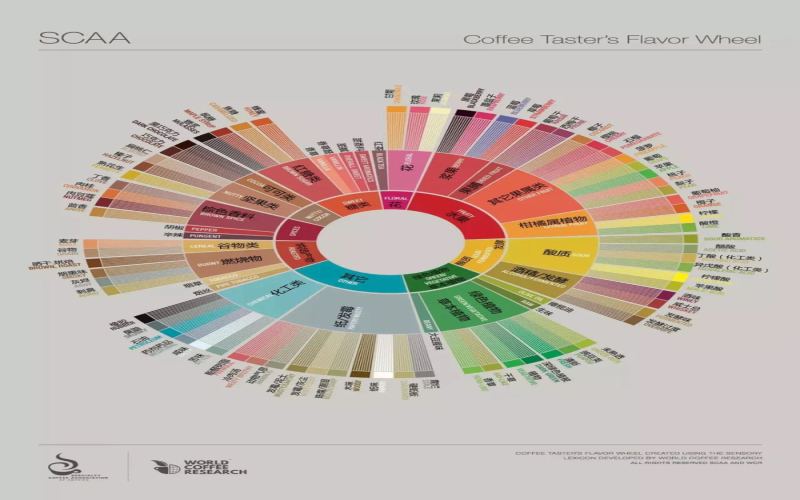
SCAA Coffee Flavor Wheel Full Analysis: Sensory Classification from Fermentation to Roasting and the Defect Deduction Mechanism
The SCAA Coffee Flavor Wheel is a core tool for specialty coffee enthusiasts to identify flavors, yet many people are still unfamiliar with it. This article systematically breaks down the left-right structure of the flavor wheel: the right side, the normal flavor spectrum, reveals the three major aroma sources of fermentation, sugar browning, and dry distillation, while the left side, the negative flavor spectrum, corresponds to the defective flavors produced by improper green bean processing, storage, and roasting. It also explains in detail the deduction rules for different defects in SCAA cupping—serious defects deduct 4 points, minor defects deduct 2 points—and how roasting and organic matter loss, although not deducting defect points, can lower flavor performance. The article includes the latest high-definition Chinese-English flavor wheel images and retains Front Street Coffee's communication channels, making it suitable for readers who want to gain a deeper understanding of coffee sensory evaluation. [more…]
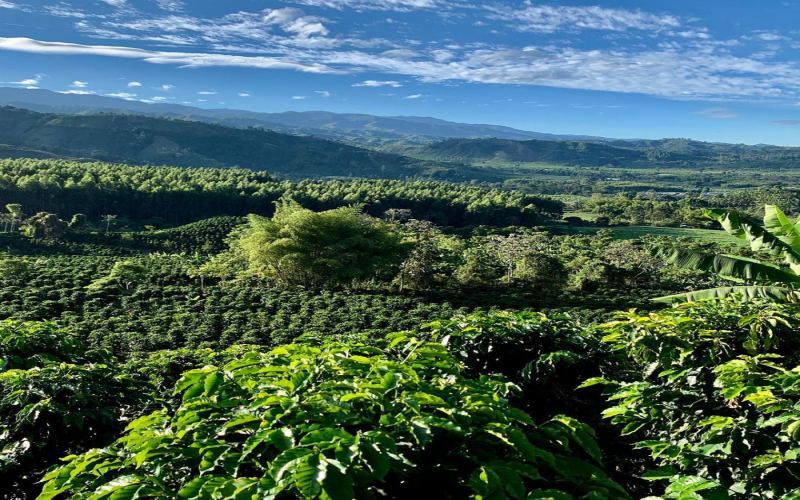
How Are Colombian Green Coffee Beans Graded? Looking at Huila Washed Caturra Through Defect Rate and Screen Size
Colombia's coffee grading system is more complex than that of most Central American producing countries. It is based not only on altitude, but also on a set of export standards built around defect rates and screen size. The Excelso grade adopted by the FNC is the highest export grade for Colombian green coffee. The burlap sacks are marked with "Excelso-Café de Colombia" and accompanied by a quality certificate. This article covers everything from the grading logic, screen size requirements, and defect deduction rules to the three most common export grades, and uses a washed Caturra from the Huila region as an example to explain green coffee traceability and cupping flavor performance, helping coffee enthusiasts understand the meaning behind Colombian green coffee labels. [more…]
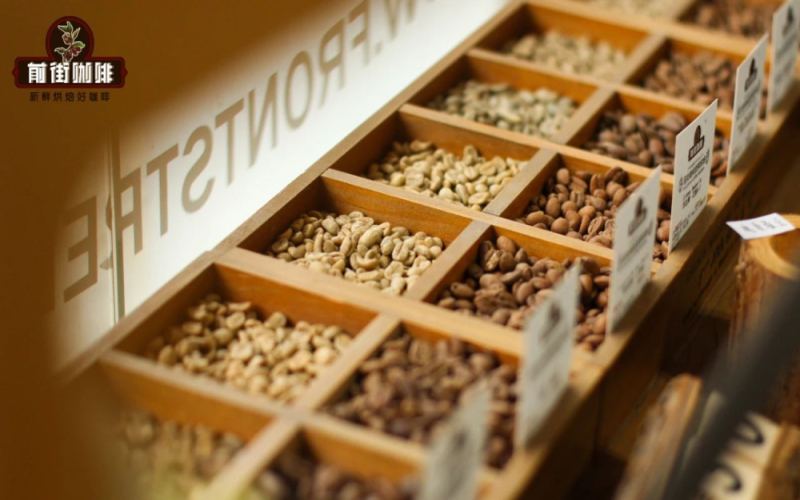
A Comprehensive Analysis of the Green Coffee Bean Grading System: The Three Major Standards of Screen Size, Altitude, and Defect Rate, and the Characteristics of Kenyan Grading
As an agricultural product, coffee beans vary significantly in quality, so a grading system is needed to standardize quality and provide reference for buyers. However, the geographical environments and cultivation models of global producing regions differ enormously, making it impossible to measure them with a unified standard; each region can only adapt to local conditions. Currently, mainstream grading methods fall into three major categories: screen size, altitude/hardness, and defect rate, and many countries combine them or even add cupping to compensate for shortcomings. This article will systematically sort out the logic and representative producing countries of these three grading methods, with a focus on analyzing how Kenya grades solely by bean size, and introduce the grading practices of Colombia, Ethiopia, Jamaica, Indonesia, Brazil, and other countries. Front Street Coffee will also share related brand product information to help coffee enthusiasts understand the meaning behind green bean grades. [more…]
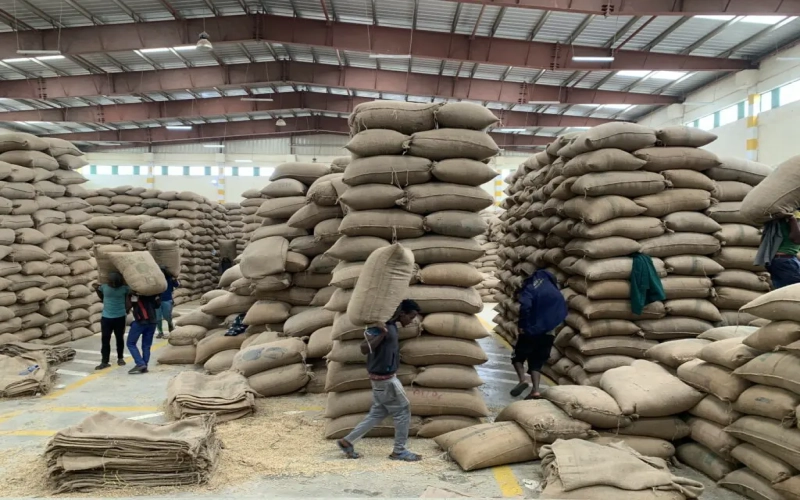
Understanding Ethiopia's Coffee Defect Grading System: What Exactly Is the Difference Between G1 and G2?
As an agricultural product, coffee beans vary significantly in quality, which is why grading systems have become an important means of standardizing quality and guiding green bean procurement. However, the grading criteria across global producing regions are not uniform—Central America mostly grades by altitude, Kenya by bean size, while Ethiopia uses defect rates to classify grades. Why does Ethiopia take this unique approach? What substantive differences actually exist between the G1 and G2 grades? This article, from the perspective of Front Street Coffee, sorts out the evolutionary logic of Ethiopia's grading system, and through a visual comparison of Yirgacheffe G1 and G2 green beans, roasting performance, and cupping evaluation, reveals one by one the true meaning behind grade labels, helping coffee enthusiasts view the issue of bean grades more rationally. [more…]
A Detailed Explanation of the SCAA Specialty Coffee Green Bean Defect Grading and Scoring Standards: A Comprehensive Analysis from Defects to Cupping Performance
Before green coffee beans reach our hands, they often go through many stages, during which defects are almost unavoidable. Some defects are obvious at the green bean stage, yet once roasted they may be cleverly concealed. The SCAA (Specialty Coffee Association of America) has established strict grading standards for specialty Arabica coffee, covering multiple dimensions such as defect types, moisture content, aroma, and bean size. This article will systematically sort out the SCAA's defect classification rules and scoring requirements, explain in detail the causes of various defective beans and their impact on cupping flavor, and help enthusiasts develop a keen eye for identifying specialty coffee. At the same time, the article retains relevant recommendations from the Front Street brand for readers' reference. [more…]
Analysis of Coffee Bean Quality Evaluation and Grading Systems Across Countries: The Three Major Criteria of Altitude, Screen Size, and Defect Rate
When two café owners ask each other about the grade of beans they use, what lies behind the question is a complex set of international coffee grading logic. Brazil's defect-score system, Central America's altitude standards, East Africa's screen sizes—each producing country has developed a completely different quality evaluation system based on its own national conditions. This article will systematically sort out three mainstream grading methods: by origin altitude, by green bean screen size, and by a composite evaluation method combining screen size and defective bean ratio, and will explain in detail Brazil's unique three-tier grading system and its strict cupper culture. Whether you are a newly initiated enthusiast or a seasoned professional, understanding these standards can help you judge coffee quality more accurately and also provide a reference for everyday purchasing. [more…]
A Complete Analysis of the Reasonable Price Range for Ethiopian Coffee and the Grading Differences Between Yirgacheffe G1 and G2
Ethiopian coffee has always won the favor of many coffee lovers with its affordable prices and rich floral and fruity aromas. But faced with the bewildering array of grade labels on the market, such as Yirgacheffe's G1 and G2, many people are not clear on exactly how they differ and which is more worth buying. This article will start with the price level of Ethiopian coffee, combine it with specific beans from Front Street Coffee, and then delve into the evolution of the country's coffee grading system—from the early CLU defect-count grading to the ECX scoring system that combines physical characteristics with cupping flavor—breaking down one by one the logic of grade classification under washed and natural processing, and focusing on comparing the substantive differences between G1 and G2 in defect rate and cupping score, to help you make more rational purchases of Ethiopian coffee. [more…]
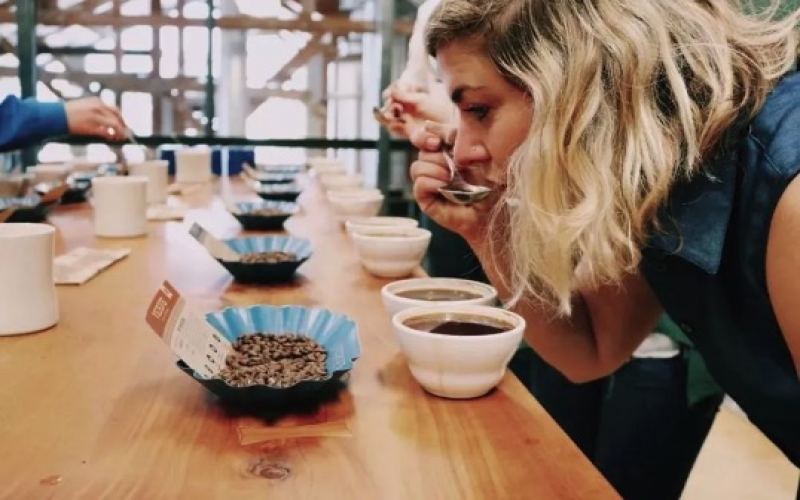
The scoring criteria for coffee cupping. SCA How to evaluate a cup of coffee.
The scoring criteria for coffee cupping. The cupping of coffee beans was initially to ensure whether the quality of the coffee beans that are about to enter the trade is qualified. With the passage of time, after the concept of specialty coffee was b [more…]
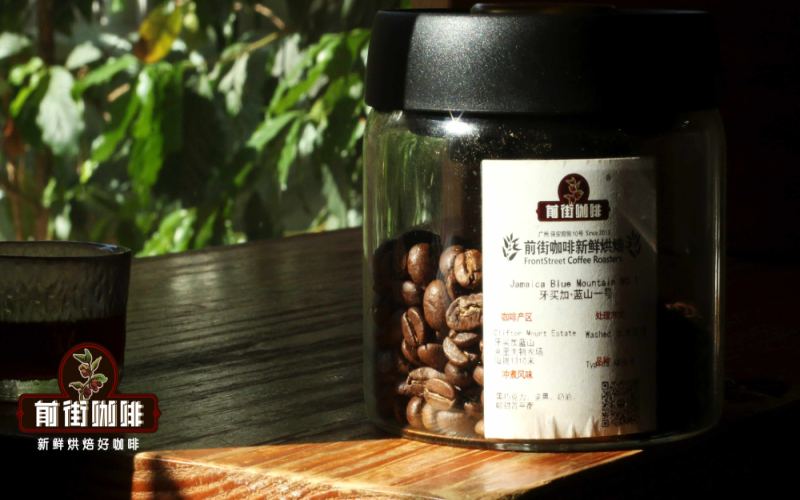
Blue Mountain Coffee Grading Standards Explained: A Quality System Emphasizing Both Bean Size and Defect Rate, with Front Street Blue Mountain Recommendations
Blue Mountain coffee is all the more precious because of its scarce production, but the reason it has long maintained a reputation for high quality is inseparable from a rigorous grading system. Even if the coffee beans do indeed come from Jamaica's legally designated Blue Mountain region, they must still be carefully classified according to the size specifications and defect ratio of the green beans before their grade can be finally determined. This article will comprehensively sort out the grading logic of Blue Mountain coffee from No. 1 to Peaberry, analyze key indicators such as defect rate and bean screen size, and explain why, beyond grade, the vintage and the specific estate are also important factors determining the flavor expression of Blue Mountain. At the same time, by combining the roasting and brewing characteristics of Front Street Coffee's Blue Mountain coffee, it presents its signature nutty notes and balanced mouthfeel, helping coffee lovers understand this legendary coffee more systematically. [more…]
Explaining the Grading Differences Between Yirgacheffe G1 and G2: From Ethiopia's Defect Rate Standards to the New Cup Testing System
Yirgacheffe, as a representative coffee-producing region in Ethiopia, frequently has its G1 and G2 grades mentioned, but what exactly is the difference between the two? This article begins with the evolution of Ethiopia's coffee grading system, first introducing the old system based on defect rates, then explaining the new regulations after the ECX introduced cupping scores in 2009, and explaining why naturally processed beans can also obtain G1 and G2 grades. Subsequently, using washed Yirgacheffe as an example, it compares the actual differences between Front Street Coffee's Gutingding (G1) and Front Street Coffee's washed Yirgacheffe everyday beans (G2) in terms of green bean appearance, defect proportion, and brewed flavor, helping readers understand the quality implications behind the grades. [more…]
A Detailed Explanation of the Ethiopian Coffee Bean Grading System: Standard Differences and Flavor Comparison Between Yirgacheffe G1 and G2
As the birthplace of coffee, Ethiopia's grading system directly affects the quality and flavor expression of coffee beans. The Yirgacheffe region is world-renowned, but what exactly is the difference between the commonly seen Front Street Yirgacheffe G1 and G2 coffee beans on the market? Behind this lies the evolution of Ethiopia's coffee grading system. From CLU to ECX, from simple defect counting to a comprehensive score combining physical characteristics and cupping flavor, the grading standards have undergone major changes. This article will systematically review the historical development and specific standards of Ethiopian coffee grading, compare the grading differences between washed and natural processing, and through three dimensions—green bean appearance, roasted bean appearance, and cupping flavor—deeply analyze the actual differences between Front Street Yirgacheffe G1 and G2, helping coffee enthusiasts understand the quality implications behind the grade numbers. [more…]
A Comprehensive Analysis of Brazil's Green Coffee Grading System: The Specialty Journey from Origin Distribution to Cupping Standards
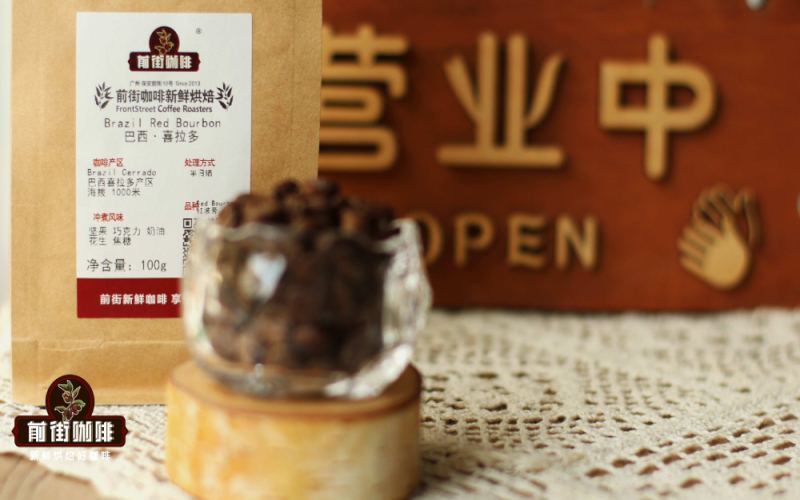
Brazil, as the world's largest coffee producer, supplies about 45% of the world's green coffee beans, and its production fluctuations directly affect international coffee price trends. However, Brazil has numerous coffee-producing regions with uneven quality, making grading work especially complex. Front Street Coffee takes you on an in-depth look at Brazil's green bean grading system—from the flatland growing environment at altitudes of 600 to 1200 meters, to the flavor differences among seven major producing regions including Minas and São Paulo states, and to the multiple grading standards centered on defect deductions, screen size specifications, and cup quality flavors. The article will also introduce the origin information and flavor performance of Front Street Brazil Queen's Estate Yellow Bourbon coffee and Cerrado coffee, helping you fully understand the specialty potential of this representative neutral coffee country. [more…]
Ethiopian Yirgacheffe G1 vs G2 Grading Differences: A Full Analysis of Washed and Natural Processing, Regions, and Estates
Yirgacheffe, as Ethiopia's most representative coffee region, has long been favored by coffee enthusiasts for the floral and fruity flavors produced by its washed and natural processing methods. But do you know how the G1 and G2 grades are actually divided? And what substantial differences exist between them? This article will systematically sort out Ethiopia's coffee bean grading system, tracing the evolution from CLU to ECX, explaining in detail the scoring standards for washed and natural processing methods in terms of physical characteristics and cup quality, and through an actual cupping comparison of Front Street Coffee's Yirgacheffe G1 and G2, reveal the specific differences between the two in terms of cleanliness, aroma complexity, and defect rate, helping you make a clearer judgment when purchasing. [more…]

Analyzing the Grade Difference Between Ethiopian Coffee Beans G1 and G2: A Case Study of Washed Yirgacheffe Beans
Ethiopia, as the genetic repository of Arabica, has a truly unique coffee bean grading system. Because there are so many varieties, most growing wild or semi-wild, coffee farmers often process them in mixed batches at harvest, making it difficult to grade by size. As a result, the Ethiopian government chose to use defect rate as the primary criterion. After the new ECX system was implemented in 2009, cupping scores were also incorporated into the rating system, finally giving natural-process beans a chance to rank among G1 and G2. So, for washed Yirgacheffe of the same origin, just how big is the difference between G1 and G2? Front Street Coffee takes Kochere G1 and a washed Yirgacheffe everyday drinking bean G2 as examples, comparing green bean appearance, defect rate, and cupping flavor to give you a closer look. [more…]
Coffee Bean Quality Assessment Guide: A Systematic Grading and Defect Identification Method from Appearance to Flavor
The starting point of a good cup of coffee lies in selecting high-quality coffee beans. This article systematically explains how to judge the quality of coffee beans from six dimensions: appearance observation, identification of defective beans, extraction process, grinding feel, extracted liquid state, and taste and aroma. By understanding common defect types such as black beans, fermented beans, dead beans, broken beans, and insect-damaged beans, as well as the characteristics of high-quality beans during brewing, such as fluffy foam, a crisp sound during grinding, and clear extracted liquid, it helps coffee enthusiasts build a complete quality assessment system. The article also specifically recommends related products from the Front Street Coffee brand, providing a reference for everyday purchasing. [more…]
A Complete Guide to the SCAA Cupping Score System: From Eleven Metrics to Specialty Coffee Score Grading
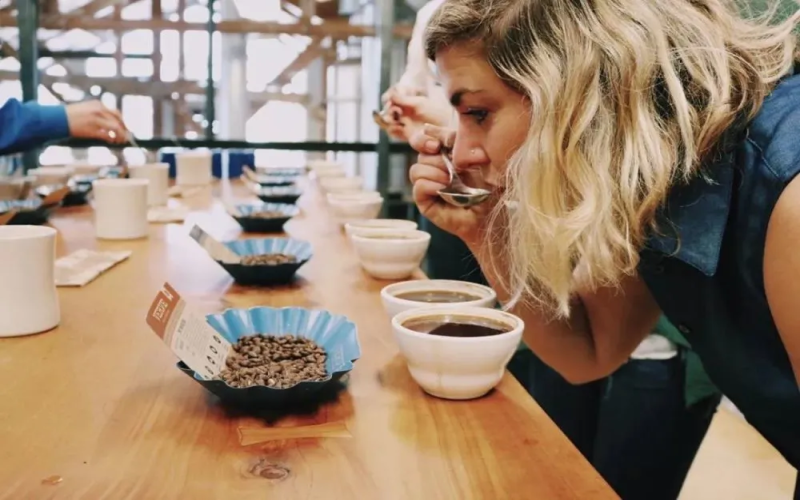
Cupping began as a quality control method used in the trade to verify whether coffee beans met standards. After the rise of the specialty coffee movement, it gradually evolved into a scoring system for evaluating coffee. Anything below 80 points is classified as commercial grade, while reaching 80 or above crosses the threshold into specialty coffee—the higher the score, the more outstanding the quality. At present, the two globally recognized authoritative scoring systems come from the SCAA and the COE. This article focuses on the SCAA cupping scoring system, breaking down one by one its eleven scoring dimensions, the required number of sample cups, the division of score ranges, and how defect deductions are calculated, to help readers fully understand how a cup of coffee is quantified into a score. [more…]
Where Does the Smoky Flavor in Guatemalan Coffee Come From? Analyzing the Causes of Roast Smokiness and Regional Flavor Characteristics
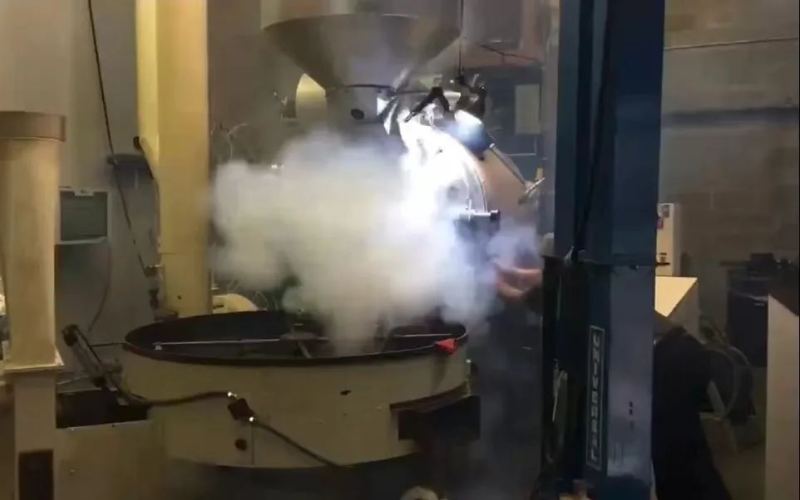
Does tasting a smoky flavor in coffee necessarily mean something went wrong during roasting? In fact, the sources of smoky flavors can be entirely different. One comes from improper smoke exhaust during roasting, where silver skin and smoke flow back and infuse the beans, creating a harsh, irritating defect flavor; the other is a unique signature bestowed by the terroir of the Guatemala region, expressed as a delicate, tobacco-like aroma rather than a defect. This article will start from the principles of roasting to distinguish the essential differences between the two types of smoky flavors, and introduce two Guatemalan beans currently sold by Front Street Coffee—Huehuetenango and Antigua Flower God. The former has lively acidity with citrus and nutty notes, while the latter has prominent sweetness with a faint, elusive smokiness. Whether you want to troubleshoot roasting issues or explore the charm of Guatemalan terroir, you can find answers here. [more…]
Brazilian Coffee Beans' Grading System and Flavor Characteristics: Three Classification Methods and Front Street Recommendations
Brazil is the world's largest coffee producer, accounting for about one-third of global output. Because its growing regions span 14 states, Brazil uses a three-dimensional grading system based on defect rate, screen size, and cup profile to ensure consistent quality. This article will explain in detail Brazil's three coffee bean grading methods, decode the meaning of the grade markings on green bean jute sacks, and introduce two products recommended by Front Street Coffee: the Brazil Cerrado everyday drinking bean and the Queen Estate Yellow Bourbon, helping coffee lovers gain a deeper understanding of the unique appeal of Brazilian coffee. [more…]
Detailed Explanation of the Brazil Cerrado Coffee NY.2 Grading Standard: Variety Characteristics, Green Bean Grade, and Brewing Flavor
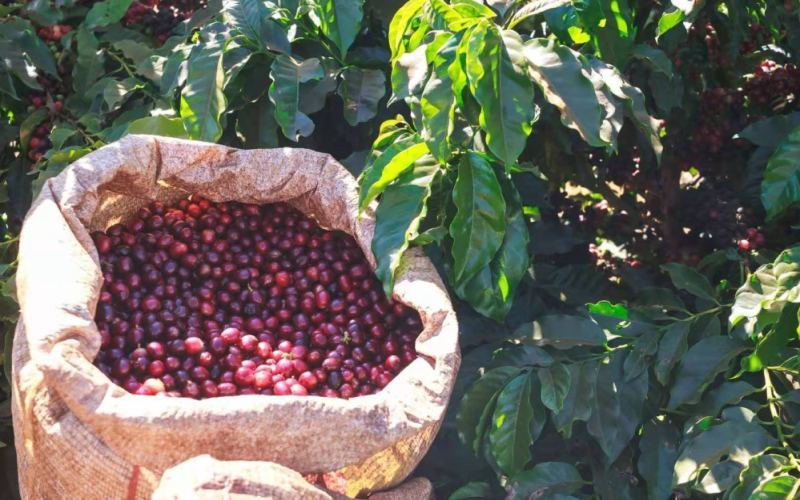
Brazil is the world's largest coffee-producing country, and the coffee beans from the Cerrado region in the central-west of Minas Gerais are known for their balanced mouthfeel and mild aroma, and are often used in espresso blends to enhance stability and flavor complexity. Among the Front Street Coffee daily drinking bean series, the Brazil Cerrado Red Bourbon, with its rich, smooth body and intense chocolate and nutty notes, is deeply loved by coffee enthusiasts. This article will systematically introduce the terroir conditions of the Cerrado region, the characteristics of the Bourbon variety, and the pulped natural processing method, and will break down in detail the three major grading dimensions of Brazilian green coffee—the proportion of defective beans (NY grade), screen size specification, and cup profile. Finally, it includes Front Street Coffee baristas' brewing parameters and flavor description for this medium-dark roast bean, helping readers fully understand the actual meaning of NY.2SC 17/18 FC. [more…]

Understanding the Ethiopian Coffee Bean Grading System: What Exactly Is the Difference Between Yirgacheffe G1 and G2?
Yirgacheffe is one of Ethiopia's most representative specialty coffee regions, and Front Street Yirgacheffe G1 and Front Street Yirgacheffe G2 are the two beans most easily available for everyday purchase. What exactly is the difference between G1 and G2? Which one is of better quality? To answer these questions, one must first understand Ethiopia's coffee grading system. From the evaluation perspective of Front Street Coffee, this article sorts out the origins and development of the two grading systems, CLU and ECX, analyzes the respective scoring dimensions of washed and natural processing, and presents the real differences between Front Street Yirgacheffe G1 and G2 through a direct comparison of green bean appearance, roasted bean appearance, and cupping flavor. [more…]